
stouffer lasagna cooking instructions microwave and oven
Stouffer’s Lasagna Cooking Instructions: A Comprehensive Guide
Navigating Stouffer’s lasagna preparation is simple! Whether you prefer the speed of microwave heating or the even cooking of the oven‚ this guide details both methods for a delicious meal.
Understanding Stouffer’s Lasagna Varieties
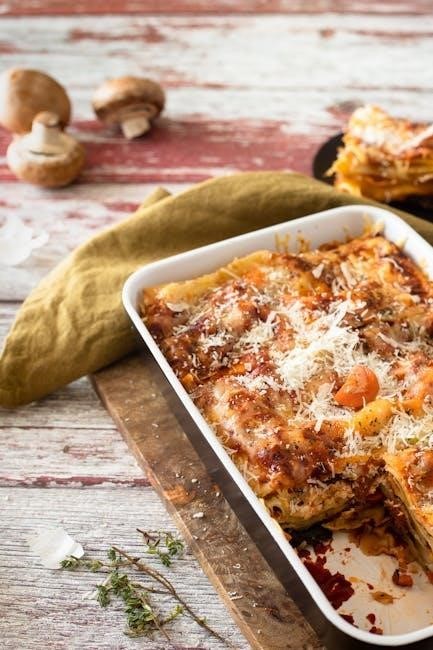
Stouffer’s offers a delightful range of lasagna options‚ each with subtle differences impacting optimal cooking. The classic Beef Lasagna is their flagship product‚ featuring a rich meat sauce and creamy ricotta. Then there’s the Chicken Lasagna‚ a lighter alternative with a flavorful white sauce. For those seeking a vegetarian choice‚ the Spinach Lasagna provides a satisfying plant-based meal.
Beyond these core varieties‚ Stouffer’s occasionally releases limited-edition flavors or regional specialties. Understanding the specific type is crucial‚ as ingredient density and sauce composition can slightly alter recommended cooking times. For instance‚ a lasagna with a higher vegetable content might require a bit more oven time to ensure thorough heating.
While cooking instructions are generally consistent across the board – both microwave and oven methods are applicable to all varieties – paying attention to the package labeling is always best. Stouffer’s often provides tailored guidance based on the specific lasagna you’ve chosen‚ ensuring a perfectly cooked and enjoyable experience. Consider the size too; family-size lasagnas naturally need longer cooking durations than single-serving portions.
Microwave Cooking Instructions: Single Serving
For a quick and convenient meal‚ the microwave is ideal for single-serving Stouffer’s lasagnas. Begin by removing the plastic film‚ leaving the tray intact. Place the lasagna on a microwave-safe plate to prevent uneven heating and potential spills. Cover loosely with a microwave-safe lid or vented plastic wrap – this helps retain moisture and ensures more even cooking.
Microwave on HIGH for approximately 3-4 minutes. Cooking times can vary based on your microwave’s wattage‚ so this is a general guideline. After the initial cooking period‚ carefully check the internal temperature. It should reach 165°F (74°C). If not‚ continue microwaving in 30-second intervals until heated through.
Important safety note: The tray and lasagna will be hot! Use oven mitts or a towel when handling. Let the lasagna stand for 60 seconds after microwaving to allow the heat to distribute evenly. This resting period also prevents potential burns. Stirring gently before serving can further ensure consistent temperature throughout. Enjoy your speedy Stouffer’s lasagna!
Microwave Cooking Instructions: Family Size
Heating a family-size Stouffer’s lasagna in the microwave requires a larger turntable and longer cooking times. First‚ carefully remove the plastic film‚ but retain the tray. Transfer the lasagna to a large‚ microwave-safe platter‚ ensuring it rotates freely. Covering loosely with vented plastic wrap is recommended to trap moisture and promote even heating.

Microwave on HIGH for 8-10 minutes initially. Due to the larger volume‚ heating will be less uniform. Rotate the platter halfway through the cooking process to help distribute heat. After the initial time‚ check the internal temperature in several spots with a food thermometer; it must reach 165°F (74°C).
Continue microwaving in 1-2 minute intervals‚ rotating the platter each time‚ until thoroughly heated. Caution: The tray and lasagna will be extremely hot. Use substantial oven mitts. Allow the lasagna to stand for 5 minutes after microwaving to equalize the temperature. This resting period is crucial for preventing burns and ensuring a more enjoyable eating experience. Serve carefully and enjoy!
Oven Cooking Instructions: From Thawed
Baking a thawed Stouffer’s lasagna in the oven yields a wonderfully bubbly and evenly heated result. Begin by preheating your oven to 350°F (175°C). Remove the lasagna from its packaging and discard the plastic film. Place the thawed lasagna in a baking dish – the original tray is often suitable‚ but ensure it’s oven-safe.
Cover the lasagna loosely with aluminum foil. This prevents excessive browning and helps retain moisture during the initial baking phase. Bake for 30-35 minutes with the foil on. After this period‚ carefully remove the foil and continue baking for an additional 15-20 minutes‚ or until the cheese is melted‚ bubbly‚ and lightly browned.
Important: Always check the internal temperature with a food thermometer in multiple locations; it should reach 165°F (74°C). Let the lasagna stand for 10-15 minutes before serving. This allows the layers to set and makes for easier‚ cleaner portions. Enjoy this classic comfort food!
Oven Cooking Instructions: From Frozen
Cooking Stouffer’s lasagna directly from frozen is convenient and still delivers a satisfying meal. Preheat your oven to 375°F (190°C). Remove the lasagna from its packaging and discard the plastic film. Place the frozen lasagna in a baking dish; the original tray is usually oven-safe‚ but confirm this first.
Cover the lasagna tightly with aluminum foil. This is crucial when cooking from frozen to prevent the top from burning before the center is heated through. Bake for 75-90 minutes‚ ensuring the foil remains securely in place. After this extended baking period‚ carefully remove the foil and continue baking for an additional 15-20 minutes.
Essential: Verify the internal temperature reaches 165°F (74°C) using a food thermometer inserted into several spots. Allow the lasagna to rest for 10-15 minutes before serving. This resting period allows the layers to settle and makes slicing easier. Enjoy a hassle-free‚ comforting meal!
Checking for Doneness: Temperature & Visual Cues
Ensuring your Stouffer’s lasagna is cooked through is vital for both safety and enjoyment. The most reliable method is using a food thermometer. Insert it into the center of the lasagna‚ checking multiple spots to confirm an internal temperature of 165°F (74°C). This guarantees the ingredients are heated sufficiently.
Beyond temperature‚ observe visual cues. The cheese should be melted and bubbly‚ with a lightly browned surface. The sauce around the edges should be bubbling‚ indicating it’s heated through. Gently insert a fork or knife into the center; it should slide in with minimal resistance‚ signifying the lasagna is tender.
Important Note: If the lasagna is still cold in the center‚ continue cooking‚ checking every 10-15 minutes. Avoid relying solely on visual cues‚ as they can be misleading. A thermometer provides the most accurate assessment of doneness‚ ensuring a perfectly cooked and safe meal.
Recommended Oven Temperatures for Optimal Results
For consistently delicious Stouffer’s lasagna‚ adhering to specific oven temperatures is key. The standard recommendation is 350°F (175°C) for both thawed and frozen varieties. This temperature ensures even heating throughout the lasagna‚ preventing a burnt exterior while guaranteeing a warm center.
While 350°F is ideal‚ slight adjustments can be made based on your oven’s calibration. If your oven tends to run hot‚ consider reducing the temperature to 325°F (160°C) and extending the cooking time. Conversely‚ if your oven runs cool‚ 375°F (190°C) might be more suitable‚ but monitor closely to avoid over-browning.
Crucially‚ avoid using higher temperatures‚ as this can result in a dry‚ unevenly cooked lasagna. Consistent temperature control is paramount. Using an oven thermometer to verify your oven’s accuracy is highly recommended. This ensures optimal results and a perfectly cooked Stouffer’s lasagna every time.
Adjusting Cooking Times Based on Oven Type
Cooking times for Stouffer’s lasagna can vary significantly depending on your oven’s type. Conventional ovens generally require longer cooking times compared to convection ovens. For a frozen lasagna in a conventional oven‚ expect approximately 60-75 minutes‚ while a thawed lasagna may take 45-60 minutes.
Convection ovens‚ with their circulating heat‚ typically cook food faster and more evenly. Reduce the cooking time by approximately 25% when using a convection oven. This translates to roughly 45-55 minutes for a frozen lasagna and 30-40 minutes for a thawed one. Always check for doneness‚ regardless of the oven type.
Gas ovens often have temperature fluctuations‚ potentially requiring slight adjustments to cooking times. Monitor the lasagna closely and consider using an oven thermometer. Electric ovens tend to maintain more consistent temperatures. Remember these are estimates; always prioritize checking for internal temperature and visual cues to ensure a perfectly heated lasagna.
Stouffer’s Lasagna: Nutritional Information
Understanding the nutritional content of Stouffer’s lasagna is key for balanced eating. A single serving (approximately 11 ounces) of the classic beef lasagna typically contains around 380-420 calories. This includes roughly 18-22 grams of fat‚ with 8-10 grams being saturated fat.
The lasagna also provides approximately 35-40 grams of carbohydrates‚ including 4-6 grams of dietary fiber. Protein content is substantial‚ ranging from 20-25 grams per serving‚ contributing to satiety. Sodium levels are relatively high‚ averaging around 800-900 milligrams‚ so mindful consumption is advised.
Nutritional values can slightly vary depending on the specific lasagna variety (e.g.‚ chicken‚ spinach). Checking the packaging for the most accurate information is always recommended. While a convenient meal‚ Stouffer’s lasagna is best enjoyed as part of a varied diet‚ alongside plenty of vegetables and fruits. Consider portion control to manage calorie and sodium intake effectively.
Common Cooking Mistakes to Avoid
Successfully preparing Stouffer’s lasagna requires avoiding a few common pitfalls. A frequent error is uneven heating‚ particularly in the microwave. Ensure you use a microwave-safe dish and rotate the lasagna halfway through cooking for consistent warmth. Failing to cover the lasagna during microwaving can lead to splattering and drying.
When oven-baking‚ neglecting to thaw the lasagna sufficiently results in prolonged cooking times and potentially a frozen center. Always follow thawing instructions carefully. Another mistake is using too high an oven temperature‚ causing the cheese to burn before the inner layers are heated through.
Overcooking‚ regardless of method‚ leads to a dry‚ less enjoyable lasagna. Regularly check for doneness using the visual and temperature cues outlined in this guide. Finally‚ avoid piercing the plastic film excessively‚ as this can compromise the structural integrity and lead to leakage. Careful attention to these details ensures a perfectly cooked‚ flavorful lasagna.
Frequently Asked Questions (FAQ) About Cooking Stouffer’s Lasagna
Q: Can I cook Stouffer’s lasagna directly from frozen? A: Yes‚ oven cooking from frozen is possible‚ but requires a longer cooking time and lower initial temperature to ensure even heating. Microwaving from frozen isn’t recommended for optimal texture.
Q: How do I know when my lasagna is fully cooked? A: Look for bubbling around the edges and a heated-through center. A temperature of 165°F (74°C) confirms doneness.
Q: Is it safe to reheat Stouffer’s lasagna in the microwave? A: Yes‚ but ensure it’s heated thoroughly. Cover the portion to retain moisture and prevent splattering. Oven reheating is preferred for maintaining texture.
Q: Can I adjust the cooking time based on my oven? A: Absolutely. Oven temperatures vary. Monitor closely and adjust cooking time accordingly‚ using the recommended temperature range as a guide.
Q: What’s the best way to prevent the lasagna from drying out? A: Cover the lasagna during cooking‚ whether microwaving or baking‚ and avoid overcooking. Adding a small amount of water to the dish before baking can also help retain moisture.
Storage Guidelines for Leftover Lasagna
Proper storage is crucial for maintaining the quality and safety of leftover Stouffer’s lasagna. After cooking‚ allow the lasagna to cool to room temperature – approximately two hours – before storing. This prevents condensation buildup‚ which can affect texture and promote bacterial growth.
Refrigeration: Transfer leftover lasagna to an airtight container. Properly stored‚ it will remain safe to eat for 3-4 days in the refrigerator. Ensure the container is shallow enough to allow for quick cooling.
Freezing: For longer storage‚ lasagna can be frozen. Wrap individual portions tightly in plastic wrap‚ then place them in a freezer-safe container or bag. Frozen lasagna maintains best quality for 2-3 months. Thawing in the refrigerator overnight is recommended before reheating‚ though oven cooking from frozen is possible.
Important Note: Always discard any lasagna that has been left at room temperature for more than two hours‚ or if it exhibits any signs of spoilage‚ such as an off-odor or discoloration. Safe handling practices are essential.
Reheating Leftover Lasagna: Microwave Method
The microwave offers a quick and convenient way to reheat leftover Stouffer’s lasagna‚ ideal for single servings. Begin by placing a portion of lasagna onto a microwave-safe plate. For optimal results‚ cover the lasagna loosely with a microwave-safe lid or plastic wrap‚ venting a corner to allow steam to escape.
Reheating Times: Reheat on medium power (50%) for 2-3 minutes for a single serving. For larger portions‚ increase the time in 1-minute increments‚ checking frequently to prevent overheating. Stirring halfway through can help ensure even heating.
Checking for Doneness: The lasagna is ready when heated through to an internal temperature of 165°F (74°C). Be cautious‚ as the plate and lasagna will be hot. Allow to stand for a minute before consuming.
Tips for Best Results: Adding a small splash of water to the plate before microwaving can help retain moisture. While quick‚ microwaving may not achieve the same crispy texture as oven reheating.
Reheating Leftover Lasagna: Oven Method
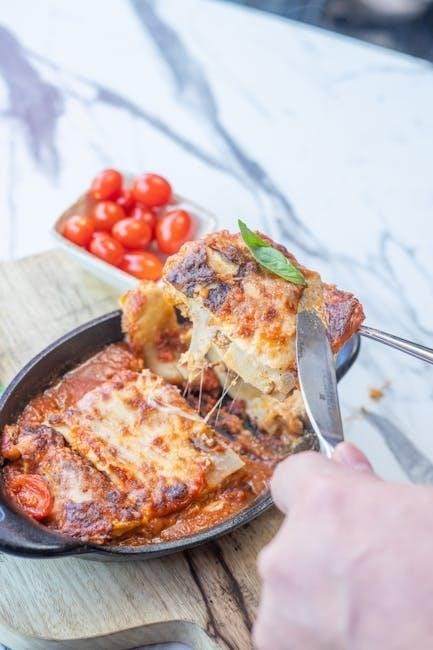
For a texture closer to freshly baked‚ reheating Stouffer’s lasagna in the oven is recommended. Preheat your oven to 350°F (175°C). Place the desired portion of leftover lasagna in an oven-safe dish. To prevent drying‚ cover the dish tightly with aluminum foil.
Reheating Times: Bake for 20-25 minutes covered. Remove the foil during the last 5-10 minutes to allow the top to slightly brown and crisp up. The exact time will depend on the thickness of the portion and your oven’s calibration.

Checking for Doneness: Ensure the lasagna is heated through to an internal temperature of 165°F (74°C). Use an instant-read thermometer inserted into the center to verify. Be careful when handling the hot dish.
Tips for Best Results: Adding a tablespoon of water or sauce to the bottom of the dish before covering can help maintain moisture. This method restores a more desirable texture compared to microwaving.
Variations in Cooking Times Based on Lasagna Type (Beef‚ Chicken‚ etc.)
While Stouffer’s maintains consistent cooking guidelines‚ slight variations may occur based on the lasagna variety. Generally‚ beef lasagnas‚ being denser‚ might require a few extra minutes in both microwave and oven cooking compared to chicken or spinach varieties.
Microwave Adjustments: For beef lasagna‚ add approximately 1-2 minutes to the suggested microwave cooking time‚ especially for family-size portions. Monitor closely to avoid overheating. Chicken and spinach lasagnas typically adhere to the standard times.
Oven Adjustments: When oven-baking‚ beef lasagna may benefit from an additional 5-10 minutes‚ particularly when starting from frozen. Ensure the internal temperature reaches 165°F (74°C). Lighter varieties often reach temperature quicker.
Considerations: These are general guidelines; always refer to the specific package instructions for the most accurate cooking times. Variations in oven and microwave wattage can also influence results. Consistent temperature checks are crucial.
Tips for Enhancing the Flavor of Stouffer’s Lasagna
Elevate your Stouffer’s lasagna experience with these simple flavor-boosting techniques! While delicious on its own‚ a few additions can truly transform this classic comfort food‚ regardless of whether you’re microwaving or oven-baking.
Pre-Cooking Enhancement: Before heating‚ sprinkle a light layer of Italian seasoning or garlic powder over the lasagna. For oven-baked versions‚ a drizzle of olive oil adds richness.
During Cooking: Add a few fresh basil leaves on top during the last few minutes of oven baking for a fragrant aroma and fresh taste. A sprinkle of parmesan cheese also enhances the flavor.
Post-Cooking Garnishes: A side of garlic bread complements the lasagna perfectly. A fresh green salad with Italian dressing provides a refreshing contrast. Consider a sprinkle of red pepper flakes for a touch of heat.
Serving Suggestions: Pair with a robust red wine or a crisp Italian white wine. Don’t underestimate the power of a simple side of steamed vegetables!
Safety Precautions When Cooking Stouffer’s Lasagna
Prioritizing safety is crucial when preparing Stouffer’s lasagna‚ whether using a microwave or oven. Always handle hot dishes with oven mitts or pot holders to prevent burns. Remember‚ the lasagna and its container will be very hot after cooking!
Microwave Safety: Use microwave-safe containers and ensure the lasagna is heated thoroughly to avoid cold spots where bacteria can grow. Be cautious when removing the lasagna from the microwave‚ as steam can cause burns.
Oven Safety: Never leave a hot oven unattended. Ensure the oven rack is securely positioned before placing the lasagna inside. Use caution when removing the hot lasagna from the oven.
General Precautions: Avoid overcrowding the microwave or oven‚ as this can lead to uneven cooking. Always follow the recommended cooking times and temperatures. Supervise children closely when they are near the kitchen during cooking. Allow the lasagna to cool slightly before serving to prevent mouth burns.
Troubleshooting: Lasagna is Dry
A dry Stouffer’s lasagna can be disappointing‚ but often easily remedied. Several factors can contribute to this issue‚ depending on whether you’ve used the microwave or oven.
Microwave Issues: Overcooking in the microwave is a common cause. Reduce cooking time in 30-second increments until the lasagna is heated through but still moist. Ensure the lasagna isn’t exposed directly to the microwave’s heating elements.
Oven Issues: Prolonged oven cooking‚ especially at high temperatures‚ can dry out the lasagna. Lowering the oven temperature slightly and covering the dish with foil for the majority of the cooking time can help retain moisture. Adding a tablespoon or two of water to the bottom of the dish before covering can also create steam.
General Solutions: If dryness occurs‚ try adding a small amount of marinara sauce or a sprinkle of mozzarella cheese before reheating. This can help restore some moisture and flavor. Always check for doneness before adding extra liquids.
Troubleshooting: Lasagna is Still Frozen in the Middle
Encountering a frozen center with your Stouffer’s lasagna is frustrating‚ but solvable. The issue typically arises when cooking directly from frozen‚ and the core doesn’t receive enough heat to thaw and cook thoroughly.
Oven Solutions: The primary fix is extending the cooking time. Increase baking time by 15-20 minutes‚ ensuring the oven temperature remains consistent. Covering the lasagna with aluminum foil for the initial portion of baking traps heat and aids thawing. Avoid increasing the temperature drastically‚ as this can burn the edges before the center cooks.
Microwave Considerations: Microwaves often struggle with even heating. If using the microwave‚ utilize the defrost setting before applying the standard cooking instructions. Rotate the lasagna halfway through both defrosting and cooking to promote uniform thawing and heating.
Important Note: Always verify the internal temperature reaches 165°F (74°C) to ensure complete cooking and food safety. A longer‚ slower cooking process is preferable to a rushed‚ unevenly heated result.
Understanding the Ingredients in Stouffer’s Lasagna
Stouffer’s lasagna boasts a comforting blend of familiar ingredients. The foundation includes pasta sheets layered with a rich meat sauce – typically beef‚ though varieties like chicken exist – and a creamy ricotta cheese mixture. Mozzarella and Parmesan cheeses contribute to the signature melted‚ bubbly top.
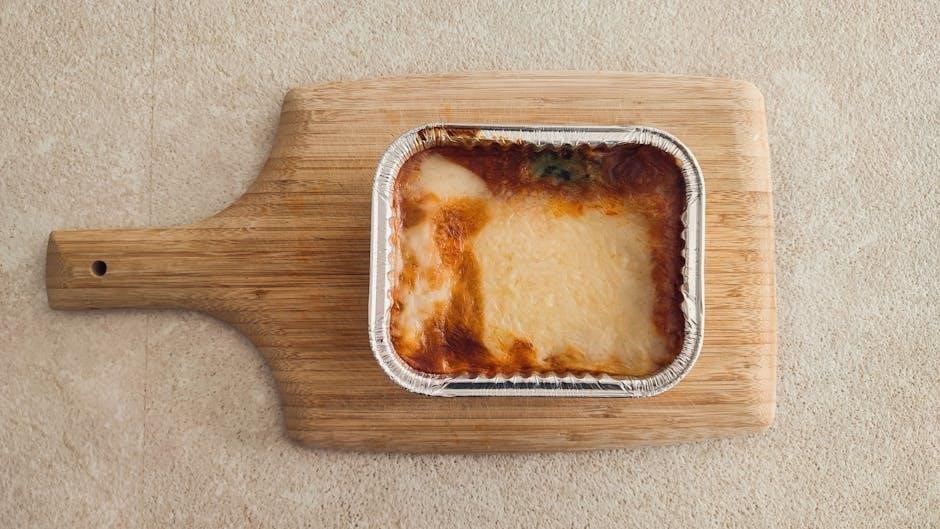
Sauce Composition: The meat sauce incorporates tomatoes‚ onions‚ garlic‚ and a medley of Italian seasonings‚ creating a savory base. Modified food starch and vegetable oils are present‚ enhancing texture and consistency. Understanding these components is key to appreciating the lasagna’s overall flavor profile.
Cheese Blend: The ricotta filling often contains eggs and seasonings‚ providing a light and airy texture. The mozzarella provides stretch and melt‚ while Parmesan adds a sharp‚ nutty note. These cheeses contribute significantly to the lasagna’s satisfying richness.
Cooking Impact: Recognizing these ingredients informs cooking choices. For example‚ the cheese content means careful heating is needed to prevent burning‚ whether using microwave or oven methods. Proper cooking ensures all flavors meld harmoniously.
Comparing Cooking Methods: Microwave vs. Oven
Choosing between microwave and oven cooking for Stouffer’s lasagna depends on your priorities. The microwave offers speed and convenience‚ ideal for single servings or when time is limited. However‚ it often results in uneven heating‚ potentially leaving the center cooler while the edges become overly soft.
Oven Baking: The oven provides more consistent and thorough heating‚ creating a desirable texture throughout the lasagna. It allows for a crispier‚ golden-brown top and a more evenly melted cheese layer. While slower‚ the oven method generally yields a superior culinary outcome.
Texture Differences: Microwaved lasagna tends to be softer and slightly wetter‚ while oven-baked lasagna boasts a firmer structure and more defined layers. The oven’s dry heat helps to evaporate excess moisture‚ concentrating the flavors.
Considerations: For family-sized portions‚ the oven is highly recommended. For a quick individual meal‚ the microwave is a viable option‚ but rotating the dish during cooking can improve evenness. Ultimately‚ both methods deliver a satisfying Stouffer’s lasagna experience‚ albeit with distinct textural differences.

Stouffer’s Lasagna: Serving Suggestions & Pairings
Elevate your Stouffer’s lasagna experience with thoughtful side dishes and beverages! A crisp garden salad with a light vinaigrette provides a refreshing counterpoint to the richness of the lasagna. Steamed or roasted vegetables‚ such as broccoli‚ green beans‚ or asparagus‚ add color and nutritional balance to the meal.
Bread & Beverages: Crusty Italian bread‚ perfect for soaking up the flavorful sauce‚ is a classic accompaniment. Garlic bread enhances the Italian theme. Pair your lasagna with a medium-bodied red wine‚ like Chianti or Merlot‚ to complement the savory flavors.
For a lighter pairing‚ consider a Pinot Grigio or a crisp Sauvignon Blanc. Sparkling water with a lemon wedge offers a non-alcoholic alternative. A simple fruit salad‚ featuring berries and melon‚ provides a sweet finish to the meal.
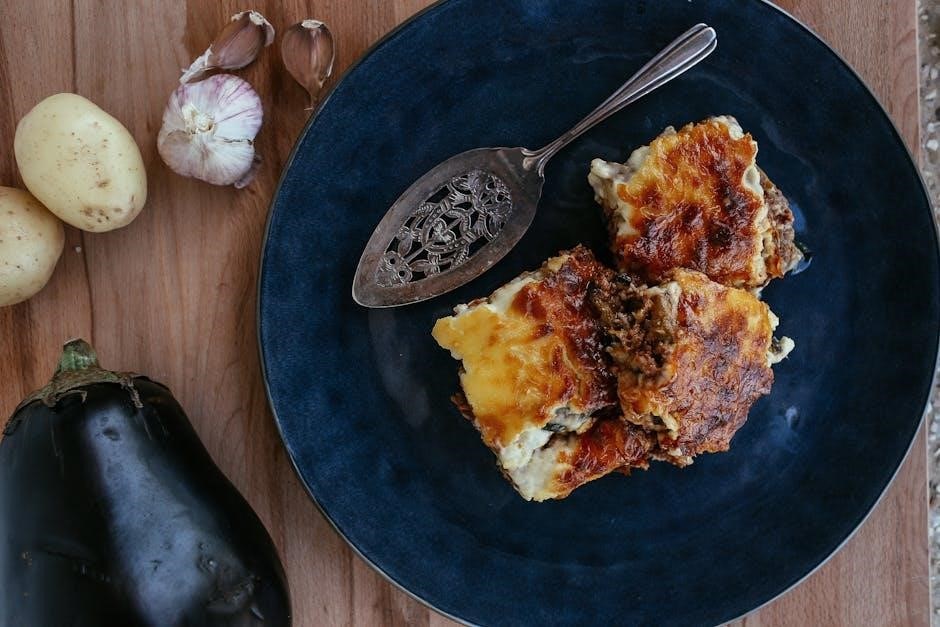
Enhance the presentation with a sprinkle of fresh parsley or grated Parmesan cheese. Whether enjoyed as a comforting weeknight dinner or a casual gathering with friends‚ Stouffer’s lasagna is a versatile dish that pairs beautifully with a variety of sides and drinks.