

eraser tattoo pdf
What is Laser Tattoo Removal?
Laser tattoo removal utilizes focused laser beams to shatter tattoo ink particles within the skin, allowing the body’s natural processes to clear the fragments.
This non-invasive method has evolved, offering a safe and effective way to eliminate unwanted tattoos, providing individuals with a fresh start and renewed confidence.
Understanding the Process
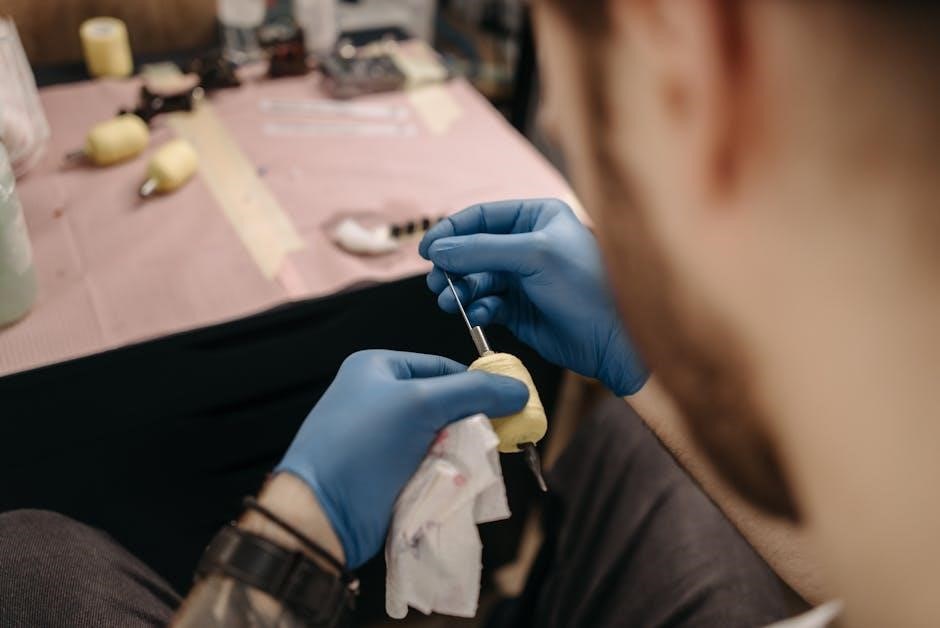
Laser tattoo removal isn’t a single-zap solution; it’s a process requiring multiple sessions. During a session, the laser emits short pulses of energy, targeting the tattoo ink. This energy causes the ink to break down into smaller particles.
These fragmented ink particles are then gradually eliminated by the body’s immune system over several weeks. Each session builds upon the previous one, progressively fading the tattoo. The number of sessions needed varies based on several factors, including ink color, tattoo age, and individual skin characteristics.
It’s crucial to understand that the treated area may appear slightly red or swollen immediately after each session, but this is a normal part of the healing process. Proper aftercare, as instructed by your provider, is essential for optimal results and minimizing potential side effects.
How Lasers Break Down Tattoo Ink

Lasers target tattoo ink by emitting specific wavelengths of light that are selectively absorbed by the ink particles, leaving the surrounding skin tissue largely unharmed. This absorption of energy causes the ink to shatter into minuscule fragments.
Different laser wavelengths are used to target different ink colors. For example, black ink readily absorbs most wavelengths, making it easier to remove. However, colors like red, blue, and green require specific wavelengths to effectively break down the pigment.
The shattered ink particles are then recognized as foreign substances by the body’s immune system. These particles are gradually removed through the body’s natural cleansing processes, leading to the fading of the tattoo over time. This process isn’t instant, requiring multiple sessions for noticeable results.
The Role of the Lymphatic System
The lymphatic system plays a crucial role in the removal of tattoo ink fragments after laser treatment. Once the laser breaks down the ink into smaller particles, the body’s immune response kicks in, identifying these fragments as waste.
Lymphatic vessels act as a network, collecting these ink particles and transporting them away from the treated area. This system filters the waste and eventually eliminates it from the body. A healthy and efficient lymphatic system is vital for optimal tattoo removal results.
Factors like hydration, exercise, and overall health can influence lymphatic function. Supporting lymphatic drainage through these lifestyle choices can aid in the removal process and contribute to faster healing. Proper post-treatment care often emphasizes promoting lymphatic circulation.

Factors Affecting Laser Tattoo Removal Success
Successful removal depends on ink color, skin tone, and tattoo age. Darker inks are easier to target, while lighter skin provides better laser contrast for effective treatment.
Tattoo Ink Color and Removal Difficulty
The color of your tattoo ink significantly impacts the ease and effectiveness of laser tattoo removal. Black and darker inks readily absorb all wavelengths of laser light, making them the most straightforward to break down and eliminate. This is because the laser energy is efficiently absorbed by the pigment, causing it to shatter into smaller particles.

However, colors like reds, blues, and greens present a greater challenge. These hues selectively absorb specific laser wavelengths, meaning more energy may be required, and the process can take considerably longer. The selective absorption makes it harder for the laser to effectively fragment the ink particles. Consequently, individuals with tattoos featuring these colors often require a higher number of treatment sessions to achieve satisfactory results.
Furthermore, certain pigments, particularly those found in older or professionally formulated inks, can be more resistant to laser energy, necessitating specialized laser technologies or treatment approaches. Understanding the ink composition is crucial for tailoring a removal plan.
Skin Tone and Laser Effectiveness
Your skin tone plays a critical role in the success of laser tattoo removal. The laser targets the contrast between the tattoo ink and your skin pigment. A greater difference in color allows the laser to focus more effectively on the ink, minimizing the risk of damage to surrounding skin.
Individuals with lighter skin tones generally experience more efficient removal because of this higher contrast. The laser can precisely target the ink without significantly affecting the surrounding tissue. However, those with darker skin tones require more careful consideration and often specialized lasers.
The risk of hyperpigmentation (darkening of the skin) or hypopigmentation (lightening of the skin) is higher in darker skin types. Experienced providers will adjust laser settings and wavelengths to minimize these risks, ensuring safe and effective treatment for all skin tones. Pre- and post-treatment care is also vital.
Tattoo Age and Composition
The age of a tattoo significantly impacts its removability. Older tattoos generally respond better to laser treatment than newer ones. Over time, the ink particles tend to encapsulate and become less densely packed, making them easier for the laser to break down. Newer tattoos have more concentrated ink, requiring more sessions for complete removal.
The composition of the tattoo ink itself is also crucial. Professional tattoos, created with high-quality inks, are typically easier to remove than amateur tattoos or those made with less stable pigments. Different ink colors react differently to laser wavelengths, as previously mentioned.
Furthermore, the depth of ink placement influences treatment. Tattoos applied by experienced artists often have ink deposited at a consistent depth, while amateur tattoos may have uneven ink distribution, potentially requiring more tailored treatment approaches.
Preparing for Laser Tattoo Removal
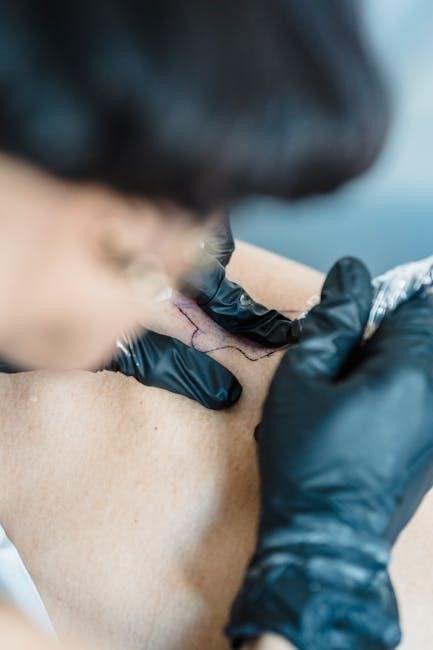
A thorough consultation assesses your skin and tattoo, while pre-treatment skincare and diligent sun avoidance are vital for optimal results and safety.
Initial Consultation and Assessment
The first step towards successful laser tattoo removal is a comprehensive initial consultation and assessment. This crucial appointment allows a qualified provider to evaluate several key factors that will influence your treatment plan and expected outcomes. Expect a detailed discussion about your medical history, including any skin conditions, allergies, or medications you are currently taking.
The provider will meticulously examine your tattoo, noting its size, location, colors, and the density of the ink. They’ll also assess your skin type and tone, as these significantly impact laser effectiveness. This assessment helps determine the appropriate laser wavelength, energy levels, and the estimated number of sessions required for optimal fading or complete removal.
Realistic expectations will be discussed, acknowledging that complete removal isn’t always guaranteed and that results vary based on individual factors. This is also the time to address any concerns you may have and receive answers to all your questions regarding the procedure, potential side effects, and aftercare instructions.
Pre-Treatment Skin Care
Preparing your skin before laser tattoo removal is vital for maximizing results and minimizing potential complications. A consistent pre-treatment skincare routine, initiated several weeks before your first session, will significantly enhance the process. Focus on keeping the tattooed area clean and well-hydrated; gentle, fragrance-free moisturizers are recommended to maintain skin elasticity and support healing.
Avoid any harsh exfoliants, scrubs, or chemical peels in the weeks leading up to treatment, as these can compromise the skin’s barrier function and increase sensitivity. Discontinue the use of tanning beds and self-tanners, as tanned skin absorbs more laser energy, raising the risk of adverse reactions like blistering or pigmentation changes.
It’s also crucial to inform your provider about any topical creams or medications you’re using on the tattooed area. Maintaining optimal skin health before treatment sets the stage for a smoother, more effective removal journey.
Avoiding Sun Exposure
Protecting your skin from the sun is paramount both before and after laser tattoo removal sessions. Sun exposure significantly impacts treatment efficacy and increases the risk of complications. Melanin, the pigment responsible for skin tanning, competes with the laser for absorption, reducing the laser’s ability to target the tattoo ink effectively.
Prior to your appointments, diligently avoid direct sun exposure to the tattooed area for at least two weeks. When sun exposure is unavoidable, apply a broad-spectrum sunscreen with a high SPF (30 or higher) generously and frequently.
Post-treatment, the skin is even more vulnerable to sun damage. Continue strict sun protection for several weeks following each session. Covering the treated area with clothing is also recommended. Consistent sun avoidance ensures optimal healing and minimizes the potential for hyperpigmentation or hypopigmentation.

What to Expect During and After Treatment
During sessions, you’ll feel sensations similar to a rubber band snapping against your skin; post-treatment, expect redness, swelling, and potential blistering.
The Treatment Session Experience
Expect a series of short pulses of laser light directed at the tattooed area during each session. Many describe the sensation as similar to a rubber band snapping against the skin, though tolerance varies.
A cooling system, or cold air, is often used concurrently to minimize discomfort and protect the surrounding skin. The length of a session depends on the tattoo’s size and complexity, ranging from a few minutes for smaller designs to potentially longer for larger, more intricate pieces.
You may notice immediate whitening of the skin as the laser breaks down the ink. This is a normal reaction. It’s crucial to remain still during the laser application to ensure accurate targeting and optimal results. Multiple passes may be performed during a single session to maximize ink fragmentation.
Following the laser treatment, the area will likely appear red and slightly swollen, resembling a mild sunburn; This is a temporary response and a natural part of the healing process.
Post-Treatment Skin Care and Healing
Following each laser session, diligent aftercare is paramount for optimal healing and results. Immediately after treatment, a sterile bandage will be applied to protect the treated area. It’s vital to keep the area clean and dry to prevent infection.
Expect some redness, swelling, and potentially blistering, similar to a sunburn. These are normal reactions and should subside within a few days to a week. Avoid picking at any scabs that form, as this can lead to scarring.
Gentle cleansing with mild soap and water is recommended. Applying a thin layer of an unscented, hypoallergenic moisturizer can help soothe the skin and promote healing. Strict sun protection is crucial – avoid direct sun exposure and use a high-SPF sunscreen on the treated area for several months.
Hydration is also key, as it supports the body’s natural healing processes. Follow your provider’s specific aftercare instructions carefully for the best possible outcome.
Potential Side Effects and Management
While laser tattoo removal is generally safe, some side effects are possible. Common reactions include redness, swelling, blistering, and temporary skin discoloration. These are usually mild and resolve on their own within a week or two with proper aftercare.
Less frequent side effects can include infection, scarring, or changes in skin pigmentation. Infection is minimized by keeping the treated area clean and following aftercare instructions diligently. Scarring is rare but can occur, especially if scabs are picked at.
Changes in pigmentation, either hyperpigmentation (darkening) or hypopigmentation (lightening), are more common in individuals with darker skin tones. These are typically temporary, but can sometimes be permanent. Promptly report any signs of infection (increased pain, pus, fever) to your provider.
Your provider can offer guidance on managing side effects and minimizing risks, ensuring a safe and effective treatment experience.

Cost and Number of Sessions
Laser tattoo removal costs vary based on size, color, and location. Multiple sessions are needed, typically spaced 6-8 weeks apart, for optimal ink breakdown.
Factors Influencing the Cost
Several key factors significantly influence the overall cost of laser tattoo removal. The size of the tattoo is a primary determinant; larger tattoos naturally require more laser energy and, consequently, more treatment sessions, increasing the expense. Ink colors also play a crucial role, as certain pigments, like reds, blues, and greens, are more resistant to laser light and necessitate additional sessions for complete removal, adding to the total cost.
Tattoo ink density impacts the number of treatments needed. Highly saturated, densely packed ink requires more energy to break down effectively. Furthermore, the location of the tattoo on the body can affect pricing, with areas requiring more precision or sensitivity potentially costing more. Finally, the provider’s experience and the technology used – such as the type of laser – can also influence the price point, with more advanced technologies often commanding higher fees. Expect to pay per session, and remember that a full removal typically requires multiple treatments.
Estimating the Number of Sessions Required

Predicting the exact number of laser tattoo removal sessions is challenging, as it varies significantly based on individual factors. Generally, most individuals require between 6 to 12 sessions, spaced approximately 6 to 8 weeks apart, to achieve substantial fading or complete removal. However, this is merely an estimate.
Ink color is a major determinant; black and darker inks typically respond faster, requiring fewer sessions than brighter, more stubborn colors. Tattoo age also matters, with older tattoos generally fading more readily. Ink density and the body’s immune response – which clears the fragmented ink – also influence the timeline. A thorough initial consultation with a qualified provider is crucial for a personalized assessment and a more accurate estimate of the sessions needed to reach your desired outcome; Patience and realistic expectations are key throughout the process.
Finding a Qualified Laser Tattoo Removal Provider
Selecting a skilled and experienced provider is paramount for safe and effective laser tattoo removal. Prioritize practitioners with extensive training and a deep understanding of laser physics, skin anatomy, and ink interactions. Look for board-certified dermatologists or physicians with specialized training in laser procedures.
Verify the clinic utilizes FDA-approved lasers specifically designed for tattoo removal, such as Q-switched lasers; A thorough consultation should include a detailed assessment of your tattoo, skin type, and medical history. Don’t hesitate to ask about the provider’s experience, success rates, and potential risks. Read reviews and seek before-and-after photos to gauge their expertise. A reputable provider will prioritize your safety and provide realistic expectations, ensuring a positive and successful removal journey.